
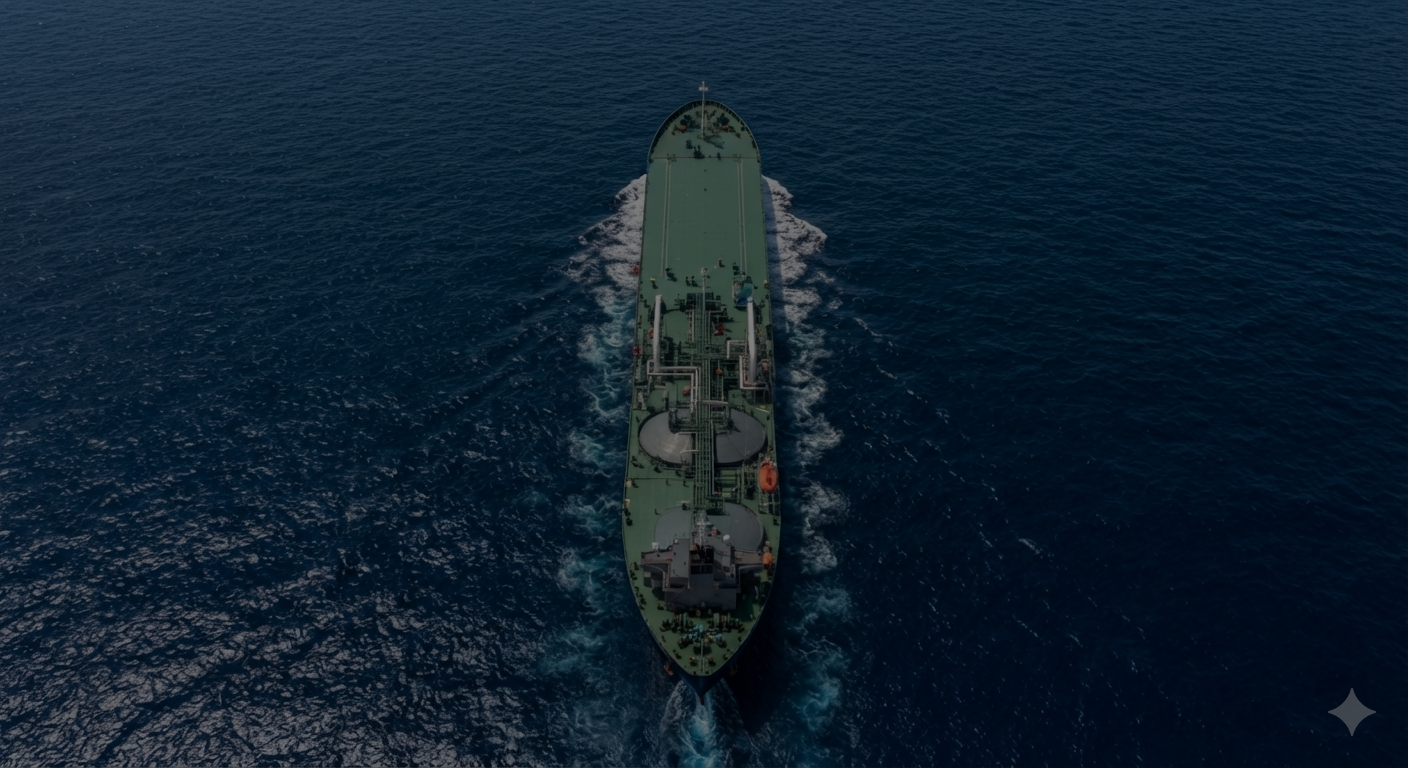


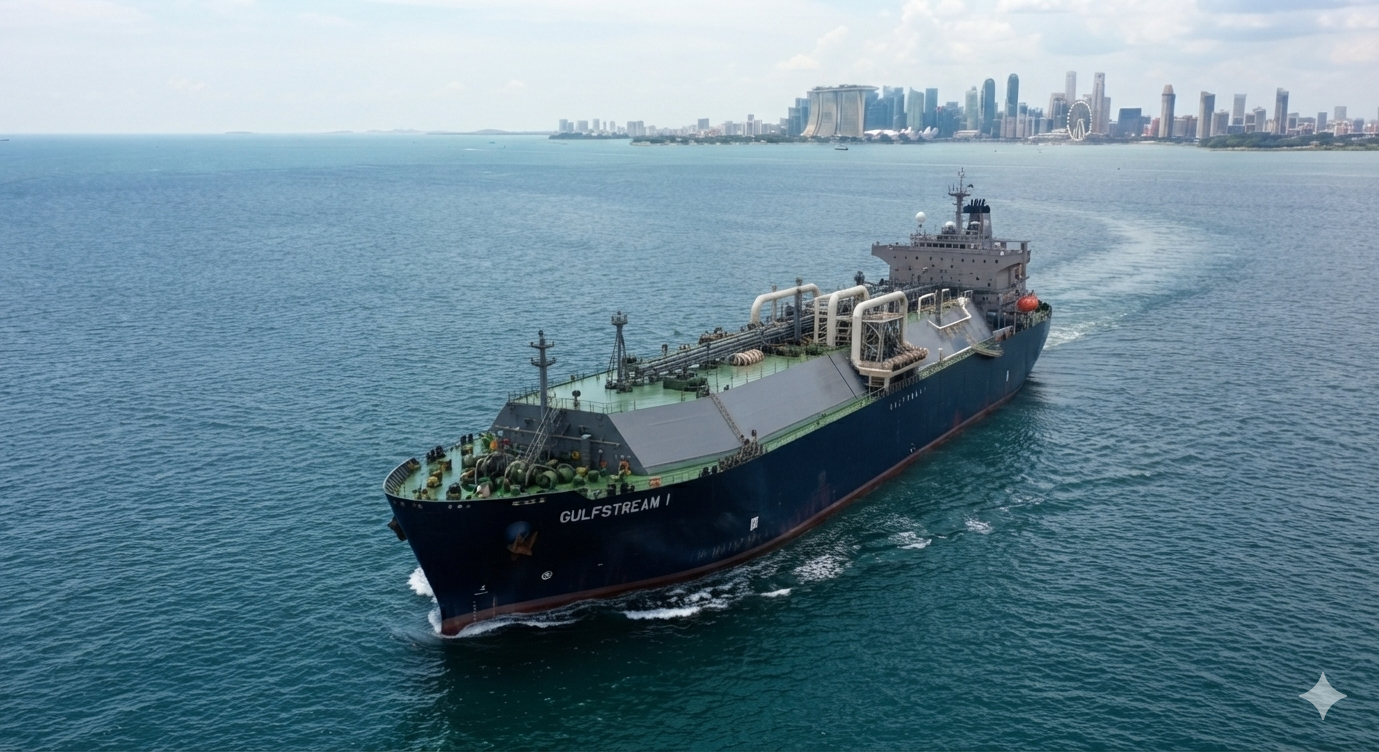
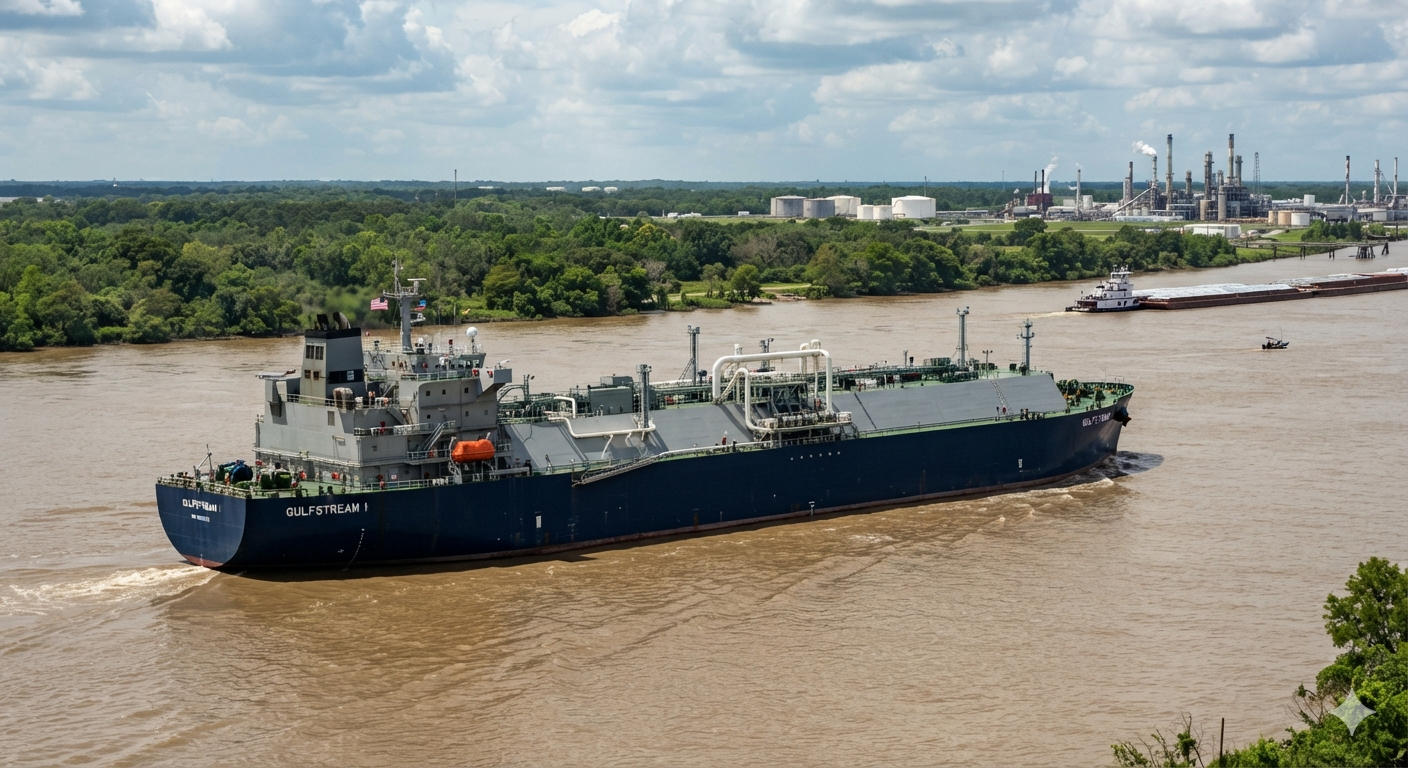
Gulfstream LNG is committed to setting a positive example in the energy industry by positioning itself as one of the “good guys.” Under the leadership of Vivek Chandra, CEO and Founder of Gulfstream LNG, the company is dedicated to advancing the energy transition while also benefiting local communities. By focusing on Liquefied Natural Gas (LNG) as a cleaner and more efficient incremental fuel, Gulfstream LNG is playing a crucial role in the shift toward a low-carbon future.
Liquefied Natural Gas (LNG) is becoming the most suitable intermediate fuel on the path towards a low carbon economy.
Whereas other fossil fuels such as coal and oil are moving out of the global energy matrix due to their high carbon intensity.
From emitting less carbon dioxide, and enhancing balancing of the existing infrastructure with the renewable energy sources, LNG is a perfect in-between fuel.
LNG affords the reliability in ensuring energy security while undergoing a transition to more sustainable technologies.
Gulfstream LNG will differentiate ourselves by our commitment to local community, capital and operations efficiency, innovative commercial models, and safe operations.
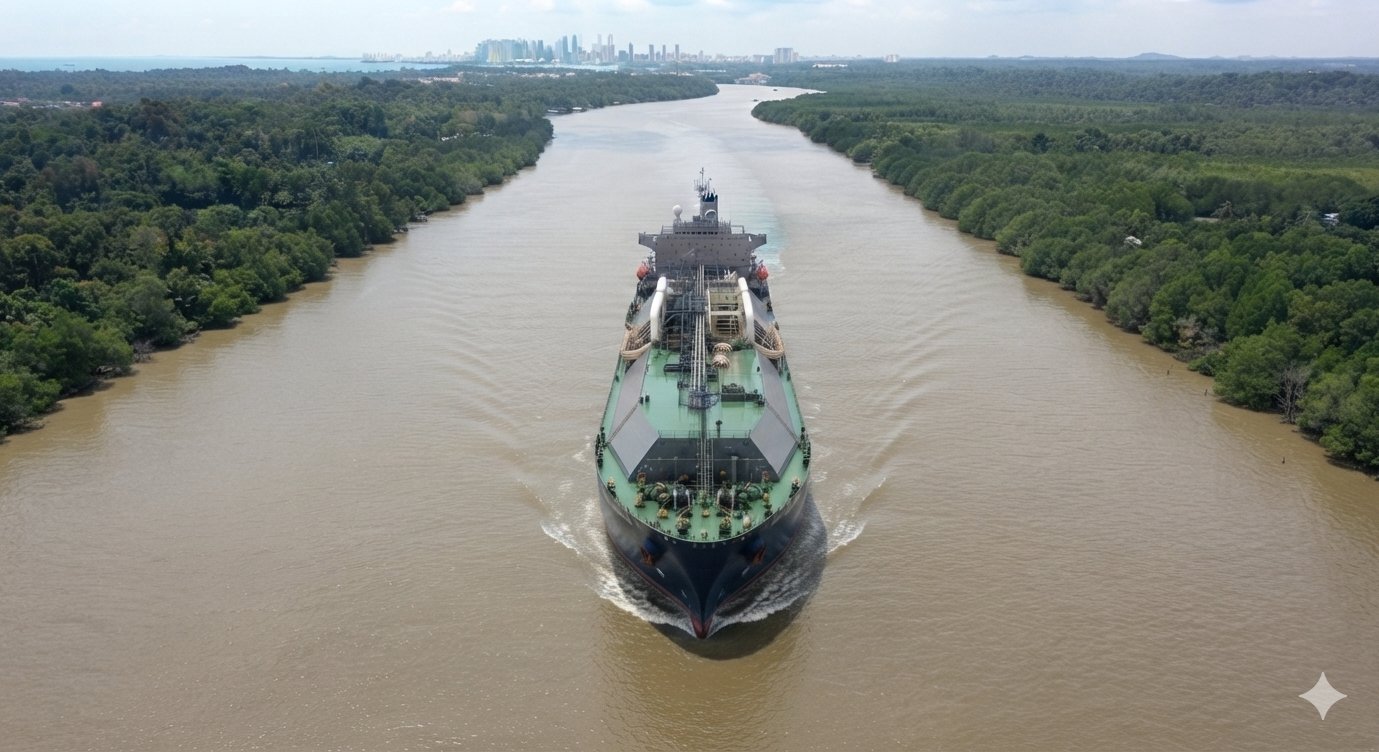
Site size (In Acres)
River Width at Site (in kM)
River Depth at site (in meters)
Initial Capacity (in MTPA)
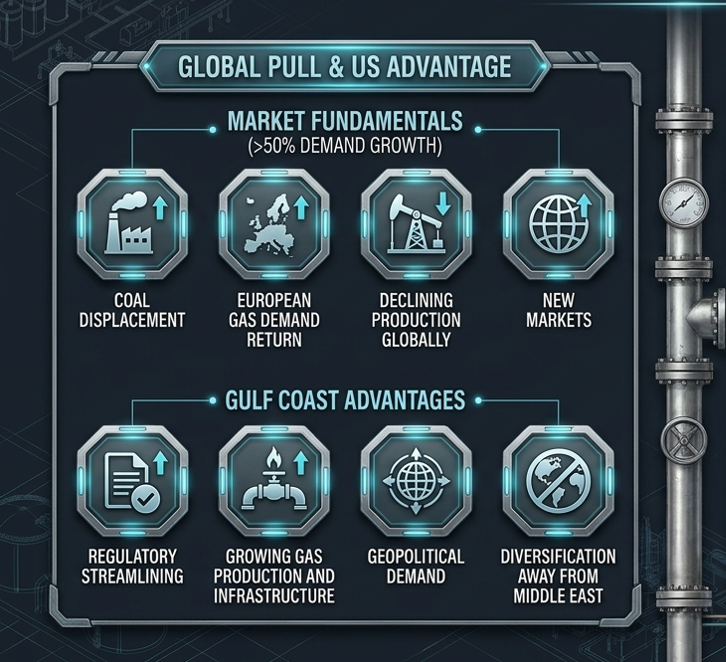
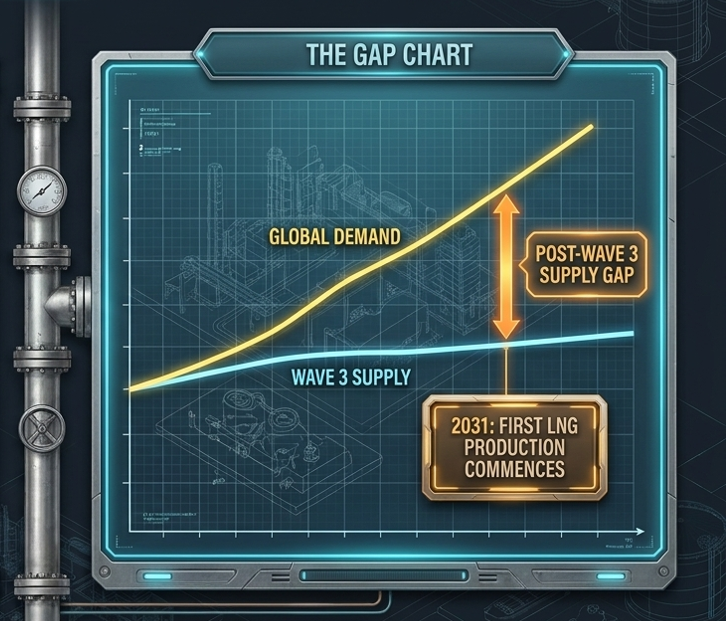
The LNG market has become increasingly volatile and political over the past few years. There is a growing consensus that outside of Qatar / UAE and US, there are a limited number of incremental significant-volume and reliable supply sources. In contrast, between 2026 and 2030, global LNG market demand will grow at least 50% from current levels of over 430 MTPA, largely fueled by growing markets in Europe, Asia and Latin America. Geopolitical tensions and long-term supply deficit will result in global LNG prices reaching elevated levels in the future.
The case for new ‘Next Generation’ cleaner producing and exporting facilities such as Gulfstream LNG is strong.
Gulfstream LNG is the first new US onshore greenfield LNG export project to enter the FERC permitting process in five years.
The US Gulf Coast has the infrastructure, the natural gas resources, the construction labor force, the community support, and the political will to approve, construct and operate incremental greenfield LNG facilities.
The constraint to growth has been the limited number of suitable sites and few entrepreneurial development companies able to successfully navigate through the development process.
The Gulfstream LNG team has secured, under long-term lease, a high-quality site for its next-generation mid-scale facility. The project has also received its Department of Energy (DoE) FTA export permit, its US Coast Guard Waterway Suitability permit, completed substantially all the environmental work required, transitioned into the final FERC permit Application phase, and selected an enviable team of technical partners that are completing the FERC FEED engineering process.
The Gulfstream LNG facility will proudly support the global transition to low-carbon fuels encouraging the displacing of coal and liquid fuels used in the power sector and other markets of Europe, Asia, and elsewhere in the Atlantic basin. It will also evaluate providing cost-efficient bunkering and transport fuel to replace liquid fuel usage in regional markets.
We use cookies to improve your experience on our site. By using our site, you consent to cookies.
Manage your cookie preferences below:
Essential cookies enable basic functions and are necessary for the proper function of the website.
These cookies are needed for adding comments on this website.
Statistics cookies collect information anonymously. This information helps us understand how visitors use our website.
Google Analytics is a powerful tool that tracks and analyzes website traffic for informed marketing decisions.
Service URL: policies.google.com (opens in a new window)